
Car Interior Protection Auckland
Help seats, carpet and interior trim cope better with spills, daily use and the mess that comes with actually using the vehicle.
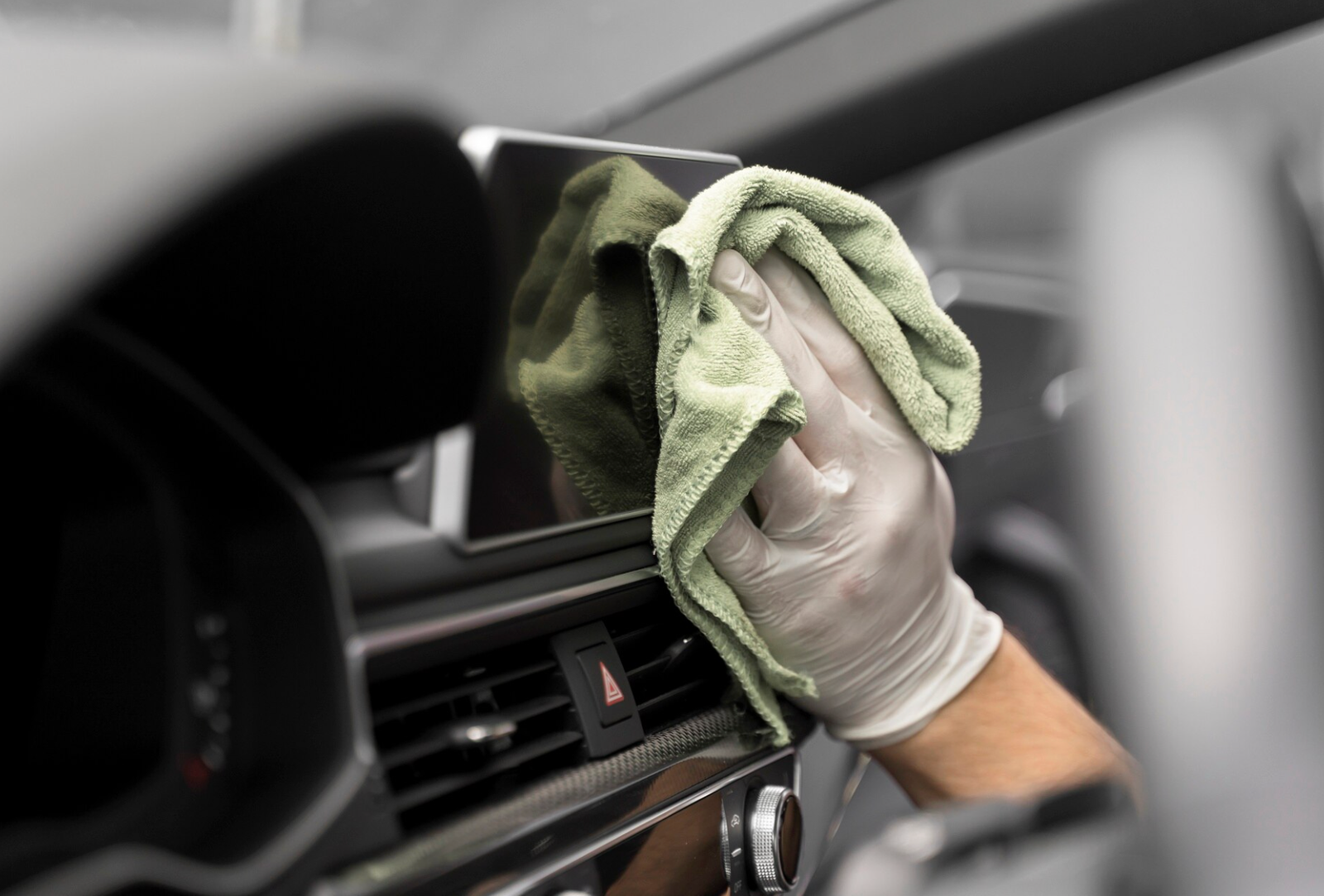
Protect the part of the vehicle you actually live in
The paint might create the first impression, but the interior usually takes more day-to-day punishment. Coffee, takeaway food, wet jackets, children's shoes, work equipment and constant contact can quickly change how seats, carpets and trim look.
Interior protection is designed to help suitable surfaces resist spills, staining and everyday contamination while making future cleaning more manageable.
It makes particular sense for family vehicles, work vehicles, light-coloured interiors and newly purchased cars where keeping the cabin easier to look after matters from the beginning.
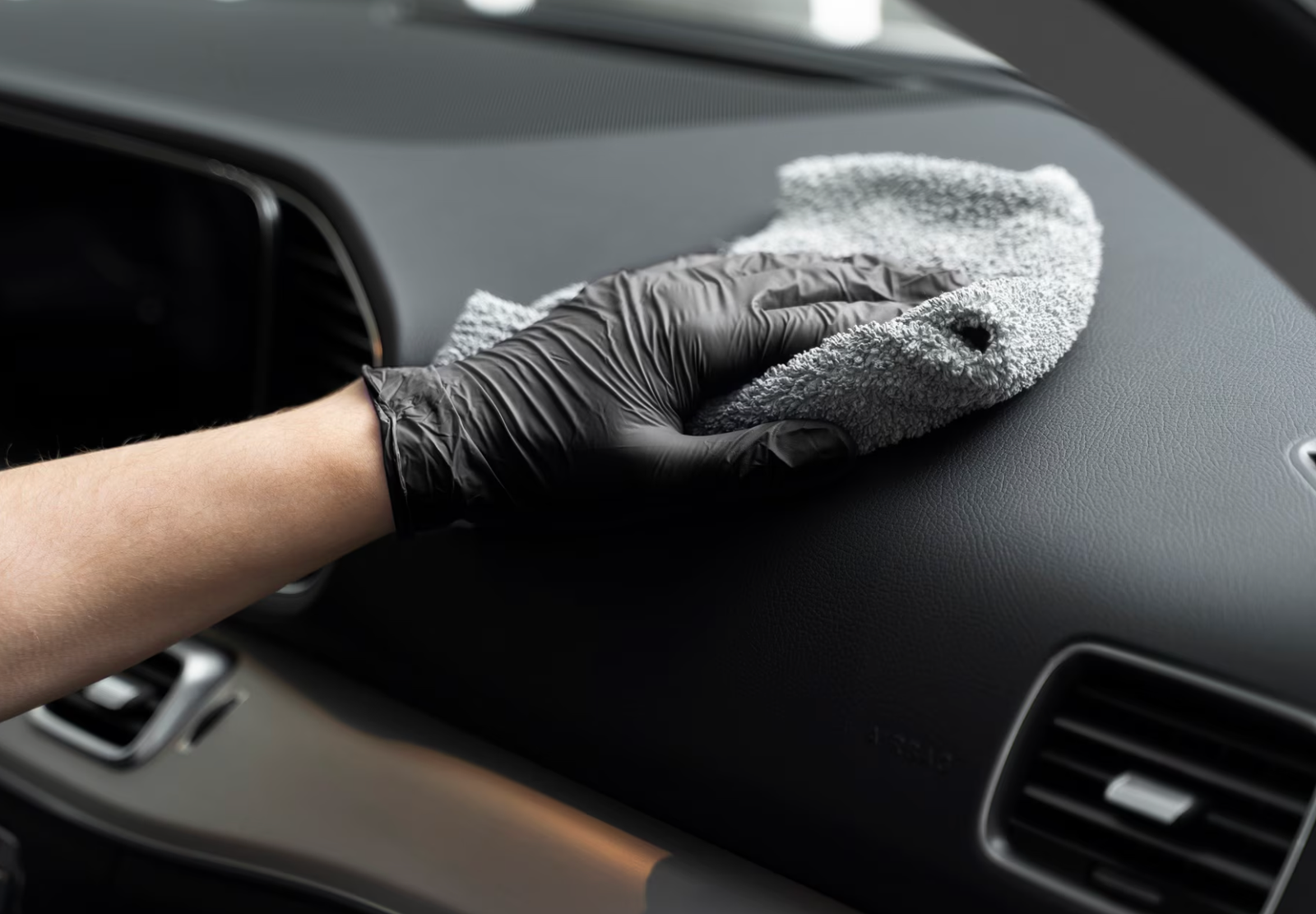
One product shouldn't be used on everything
Fabric, carpet, leather, vinyl and interior trim behave differently. The treatment has to suit the surface rather than simply covering the whole cabin with the same product.
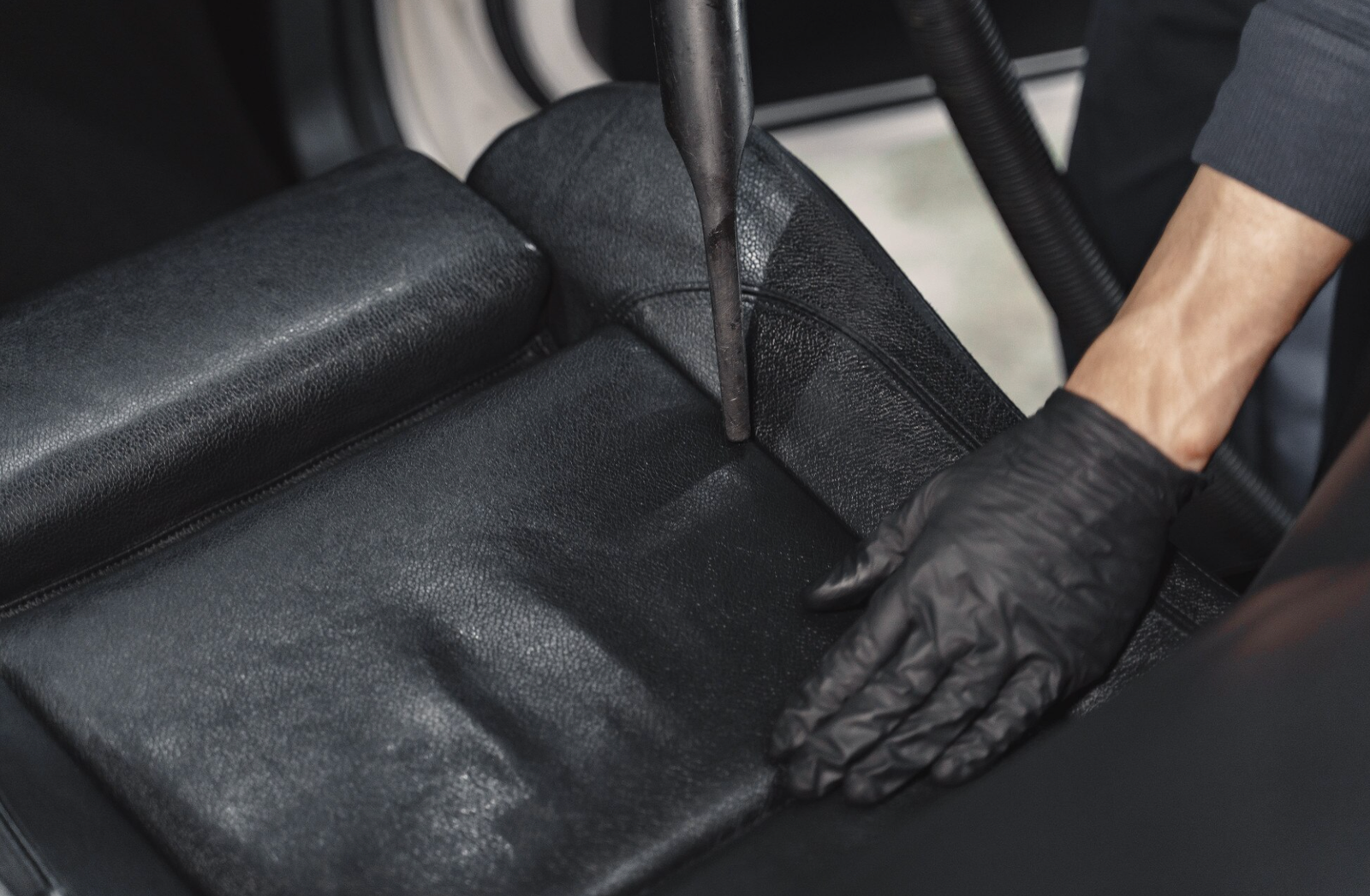
Seats and upholstery
Suitable fabric protection can help reduce how readily some liquids and contamination soak into treated fibres, giving you more time to clean them up.
Floors and cargo areas
Useful where shoes, luggage, work equipment and everyday dirt regularly come into contact with carpeted surfaces.
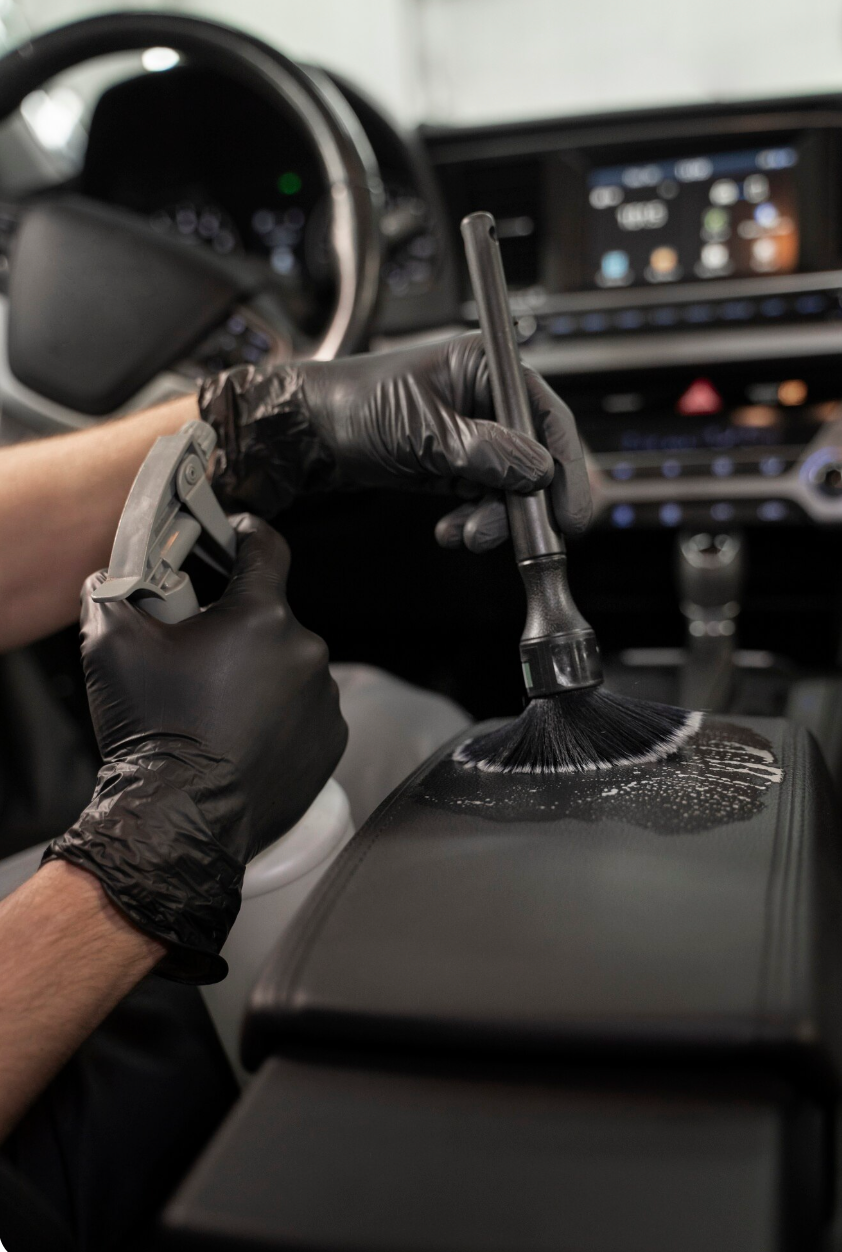
Seats and leather trim
Leather requires products designed for its own finish. It shouldn't be treated as though it behaves the same way as fabric.
Vinyl and suitable surfaces
Interior plastics, vinyl and trim are assessed individually so only appropriate surfaces receive treatment.
We look at what's actually inside the vehicle first
Protection works best on properly cleaned, suitable surfaces. If the cabin is already heavily soiled, detailing may need to come before the protective treatment.
Identify the materials
We establish which surfaces are fabric, carpet, leather, vinyl or another finish before choosing a treatment.
Check existing staining and wear
Existing marks, damage and wear are identified so protection isn't confused with restoration or stain removal.
Decide what needs cleaning first
Protection shouldn't be applied over dirt or contamination. The level of cleaning depends on the condition of the interior.
Leave unsuitable surfaces alone
Not every interior finish needs or should receive a protective product. We treat only the surfaces where it makes sense.
Explain the aftercare
We'll explain how the treated surfaces should be cleaned and maintained after the work is complete.
More time to deal with everyday mess
A suitable interior treatment can help reduce how readily some spills and contamination penetrate treated materials. In practical terms, that can make day-to-day clean-up less frustrating.
It doesn't remove the need to clean the vehicle. The advantage is giving suitable surfaces some added resistance while supporting easier ongoing maintenance.
Spills
More time to respond before some liquids penetrate treated fibres.
Everyday contamination
Helps make ordinary dirt and residue easier to manage during regular cleaning.
High-use interiors
Particularly useful where seats and carpets see constant family or work use.
Ongoing maintenance
Supports a cabin that's simpler to keep presentable when maintained properly.
Easier to look after doesn't mean impossible to mark
Interior protection does not make fabric completely waterproof and it cannot prevent physical wear. Abrasion, dye transfer, harsh chemicals and contamination that is left untreated can still affect protected surfaces.
Spills should still be dealt with promptly and the interior still needs normal cleaning. The treatment is there to support good maintenance, not replace it.
We won't promise an interior that can never stain. We'll explain what each treatment is designed to do, what surfaces it suits and the kind of care it still needs afterwards.
Don't stop at the paint if the inside matters just as much
Exterior protection usually gets most of the attention on a newly purchased vehicle, but the interior often faces daily use from the first drive home.
Interior treatment can be added alongside exterior protection where it makes sense, giving you a more complete package without applying unnecessary products to every surface.
Usually the vehicles that get used the most
Interior protection isn't only for premium cars. In many cases, the biggest benefit is simply making a hard-working interior easier to maintain.
Kids, food and everyday life
Useful where the interior regularly deals with drinks, snacks, shoes, bags and the normal mess of family use.
Equipment and frequent use
Helps support easier maintenance where vehicles are in and out of work sites or used throughout the day.
Surfaces that show marks quickly
Light-coloured seats and trim can make ordinary contamination more visible, so preventative treatment can be worthwhile.
Start before staining begins
Protection can be applied while suitable interior surfaces are still clean and in good condition.
Before we protect the interior
A few things worth knowing about cleaning, materials and what interior protection can realistically do.
Usually, yes. Protective treatment should be applied to suitable, properly cleaned surfaces. A nearly new interior may need relatively little preparation, while a heavily used cabin may need detailing first.
Yes, where the materials are suitable. We use treatments selected for the individual surface. Leather, fabric and other trim shouldn't all be treated as though they are the same material.
No. It can improve resistance and make some spills easier to deal with, but it doesn't make the interior stain-proof. Spills should still be cleaned promptly and treated surfaces maintained correctly.
Yes. Family vehicles are often among the best candidates because their seats and carpets face frequent food, drinks, shoes and changing weather. The treatment is intended to make that everyday use easier to manage.
It can be very practical for work vehicles, particularly where the cabin receives frequent use, wet clothing, equipment or dirt. We can focus the treatment on the surfaces that actually need it.
Yes. Interior protection can be combined with services such as PPF, ceramic coating or graphene coating where appropriate, giving the vehicle both exterior and interior protection without treating surfaces unnecessarily.
Tell us what happens inside your vehicle.
Kids, work gear, light leather, fabric seats or simply a new interior you want to keep easier to clean — tell us what concerns you most. We'll recommend treatment for the surfaces that actually need it rather than applying one product everywhere.