Paint Correction Auckland
Bring back the clarity hidden beneath swirl marks, haze and wash damage — using the level of correction the paint can safely support.
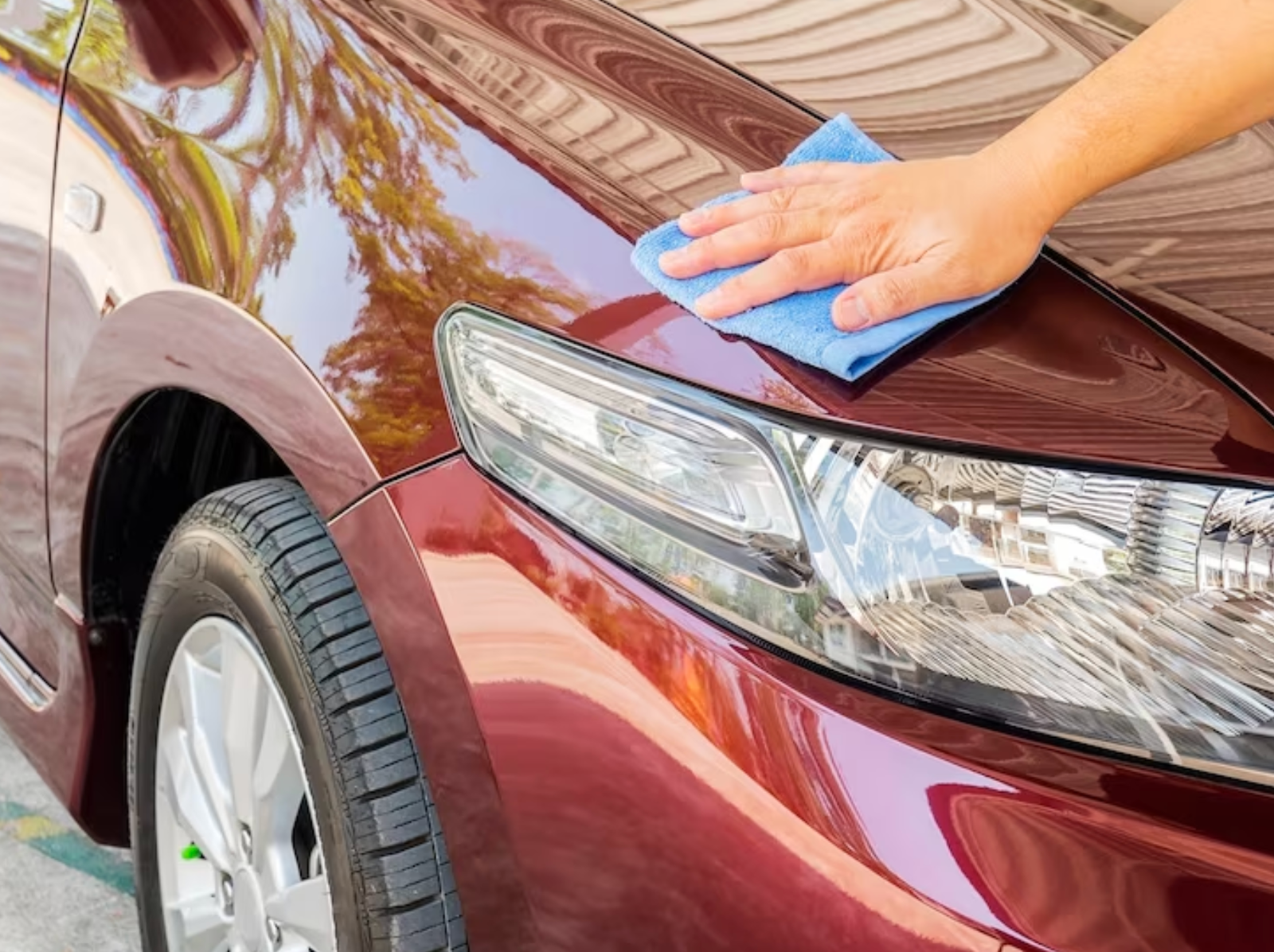
Bring back the finish hidden beneath the damage
Paint can be perfectly clean and still look flat. Swirl marks, poor washing, oxidation, haze and fine scratches interrupt the way light reflects from the surface. Instead of seeing depth and clarity, you see the defects.
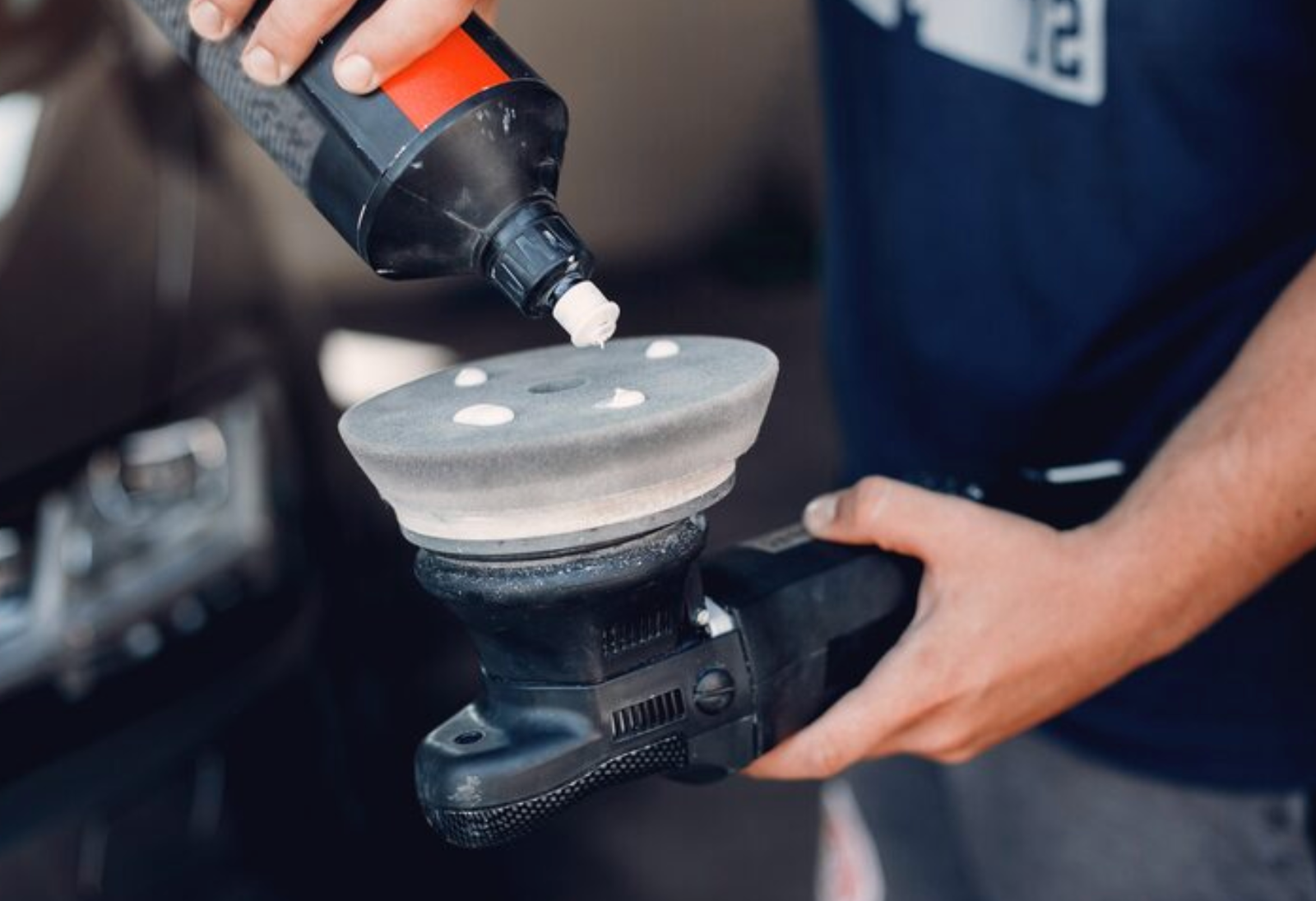
Paint correction works by carefully refining a controlled amount of the upper paint surface to reduce suitable defects. It isn't a glaze that temporarily fills marks until the next wash.
The goal is genuine improvement while respecting the condition and remaining health of the paint. Sometimes that means chasing more correction. Sometimes it means knowing when to stop.
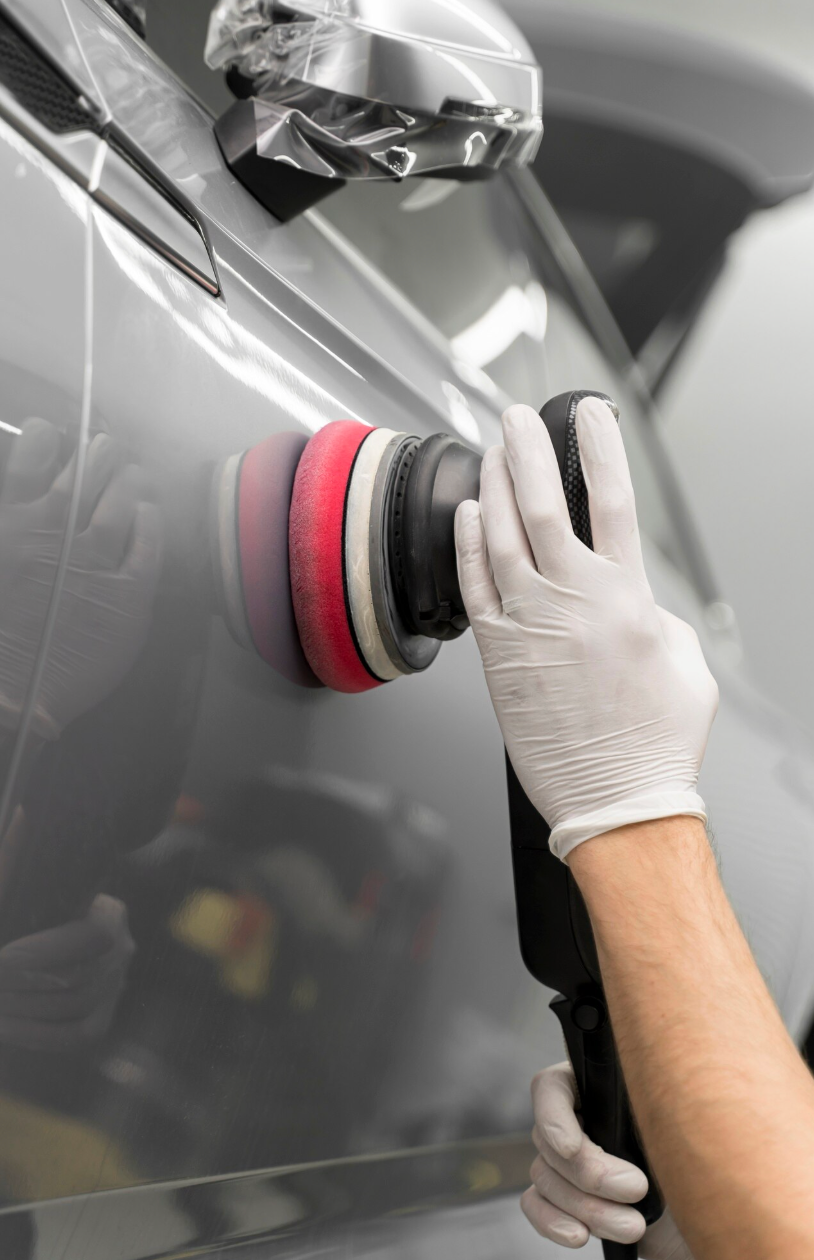
It's the way light moves across the paint
Different defects need different levels of work. Their depth, the paint system and previous repairs all affect what can safely be improved.
Swirl marks
Fine circular defects commonly caused by repeated washing, drying and poor contact methods.
Surface haze
A cloudy or dull finish that reduces clarity and makes otherwise clean paint look tired.
Oxidation
Weathered paint can lose colour depth and reflection. Whether it can be corrected depends on the paint condition.
Fine scratches
Suitable scratches within the workable paint surface may be reduced or removed. Deeper damage needs another approach.
The stage follows the paint — not the other way around
Stage names are useful for describing how involved the process becomes, but they don't guarantee a fixed level of defect removal. We inspect the vehicle first and choose the least aggressive process that can produce a worthwhile result.
Paint Enhancement
A single-stage machine polish intended to improve gloss and reduce light swirl marks, fine wash damage and surface haze. It suits newer or generally well-kept paint that needs a visible refresh rather than intensive correction.
Best suited to lighter, more superficial defectsPaint Correction
A more involved cutting and refining process for moderate swirl marks, oxidation and visible wash damage. Stage 2 is often appropriate where the owner wants a stronger visual improvement or the vehicle is being prepared for coating.
More correction, followed by refinement of the finishIntensive Correction
A more intensive multi-stage process for heavier correctable defects and vehicles where a higher safe level of refinement is being pursued. Inspection is essential because not every visible mark should be chased to complete removal.
Highest level is determined by the paint, not the package nameTwo identical cars can need completely different correction
The make, model and age tell us only part of the story. Paint hardness, clear-coat thickness, previous polishing, body repairs and the depth of individual defects all change the way we approach the vehicle.
A scratch that can be safely removed from one panel may need to be softened rather than eliminated on another. Previous repairs can also behave differently from original factory paint.
The aim isn't to remove the maximum amount of paint possible. It is to achieve the best worthwhile improvement while keeping unnecessary removal of healthy clear coat to a minimum.
More aggressive isn't automatically better
Wet sanding may be considered where suitable paint has significant texture, isolated deeper surface defects or a particular finishing requirement.
It removes more material than normal machine polishing, which is exactly why it should never be treated as a routine upgrade or something every vehicle needs.
Before recommending wet sanding, we consider paint condition, previous repairs and the amount of usable clear coat available. Sometimes leaving a small defect visible is the better decision for the long-term health of the paint.
If you're going to protect the paint, protect a finish worth keeping
Coatings and films don't erase what is underneath them. Where correction is appropriate, doing the preparation first can significantly improve the finished appearance.
Coating preserves the finish you give it.
Applying ceramic or graphene coating over visible swirl marks doesn't remove them. Correcting suitable defects first allows the coating to go over a cleaner, clearer finish.
PPF follows the paint underneath.
Film adds physical protection, but the appearance of the paint below still matters. Used or previously polished vehicles may benefit from suitable preparation before installation.
Better paint doesn't always mean perfect paint
A perfect-looking panel is not a good result if getting there required removing more clear coat than the defect justified.
Good correction is partly about what you remove and partly about what you deliberately leave alone. We look for a strong visual improvement while respecting what the paint can safely support.
That's why an inspection matters more than choosing Stage 1, Stage 2 or Stage 3 from a menu before we've seen the vehicle.
Before you book paint correction
Useful answers about scratches, correction stages, new vehicles and protecting the finish afterwards.
No. Scratches contained within a safe working depth can often be reduced or removed, but deeper scratches that pass through the usable clear coat may require touch-up work or paint repair instead. Chasing every defect isn't always the safest option.
We look at the current condition of the paint, the severity of the defects and the result you're trying to achieve. From there we select the least aggressive process that can deliver a worthwhile improvement without unnecessarily removing healthy paint.
Paint correction improves the condition and appearance of the surface but is not long-term protection on its own. Wax, sealant, ceramic coating, graphene coating or PPF can then be considered depending on the level and type of protection required.
Yes. Some new vehicles arrive with light wash marks, transport contamination or dealership preparation defects. We inspect first and recommend only the level of correction the paint genuinely needs.
Wet sanding can sometimes be used on suitable paint to refine deeper surface defects, texture or specific problem areas, but it removes more paint than ordinary polishing. It should only be considered after the paint has been assessed and is not appropriate for every scratch.
Where the paint has visible correctable defects, correction before coating usually gives a better finished appearance. The exact amount of correction depends on the condition of the paint and the result you want rather than being an automatic requirement for every vehicle.
Let the paint decide how far we go.
Bring the vehicle to our Manukau workshop or send us clear photographs for an initial discussion. We'll explain what can realistically be improved, what may be too deep to chase and whether Stage 1, Stage 2, Stage 3 or another approach makes sense.