
Car Scratch Removal & Repair Auckland
Some scratches polish out. Some need wet sanding, touch-up or paint repair. The first job is finding out what you're actually dealing with.
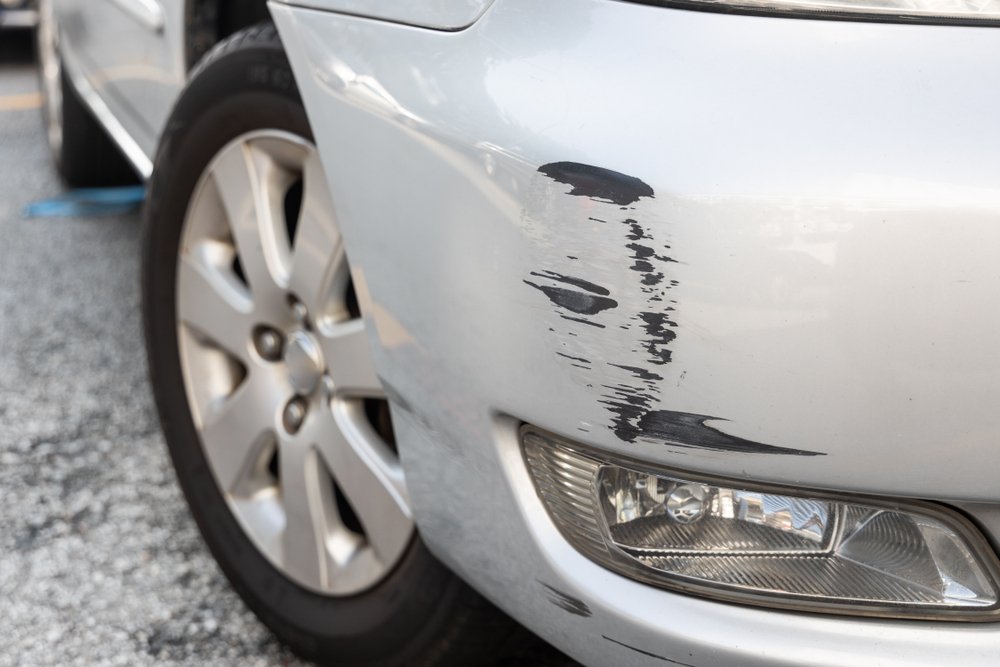
The right repair starts with knowing how deep the scratch is
Two scratches can look almost identical in a photograph and require completely different repairs. One might be paint transfer sitting on top of the surface. Another may be inside the clear coat. A deeper mark may have already passed through the colour underneath.
We inspect the damage before deciding how it should be repaired. That helps avoid unnecessary work and means we're not promising that every scratch can simply be polished away.
In some cases the aim can be complete removal. In others, the sensible result is making the damage substantially less visible while preserving as much healthy surrounding paint as possible.
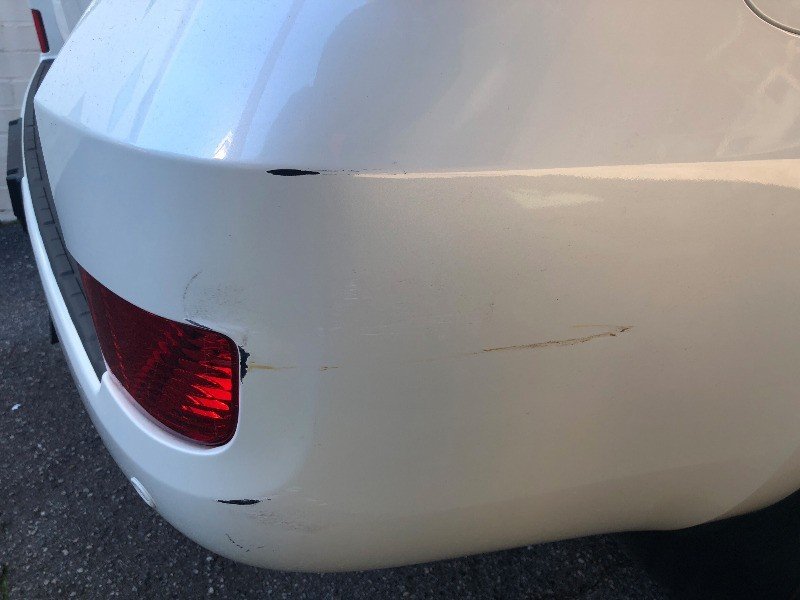
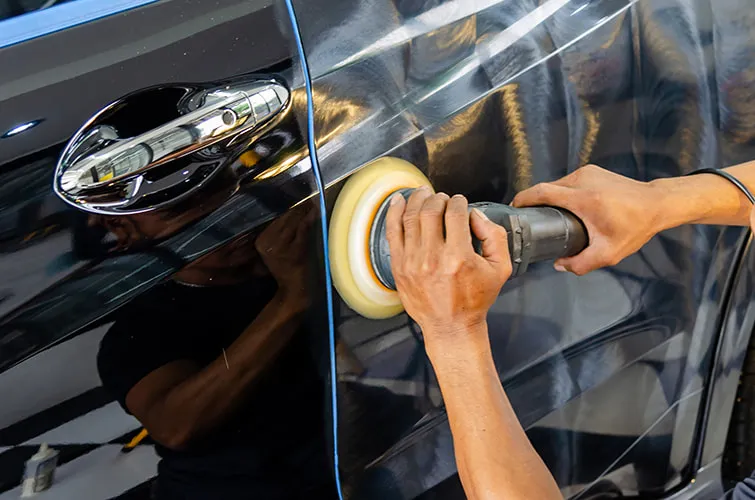
What you see on top doesn't always tell you what's underneath
The likely repair changes as the damage moves deeper through the paint system. That is why a scratch assessment is more useful than choosing a repair from a price list.
Surface transfer
Sometimes what looks like a scratch is material transferred onto the vehicle rather than damage cut deeply into the paint.
May respond to careful cleaning or local refinement.Clear-coat damage
Fine scratches and marks contained within a workable depth of clear coat may respond to machine polishing or correction.
Correction may reduce or remove the defect.Deeper surface damage
A deeper but still suitable defect may require controlled wet sanding followed by machine refinement.
Paint condition and available thickness matter.Through the colour
Once paint is missing, polishing cannot recreate it. Touch-up or a more involved paint repair may be necessary.
Repair method depends on depth, size and expected finish.Photos are useful. They don't always show the depth.
Good photographs can usually tell us where the damage is, roughly how large it is and whether a workshop inspection should be the next step.
What a photograph often cannot show reliably is how deeply the scratch has travelled through the paint. Reflections, lighting and the colour of the vehicle can make a shallow mark look severe — or hide damage that is much deeper.
Once paint is missing, polishing has reached its limit
The method changes depending on whether we're refining existing paint or trying to replace material that is no longer there.
When the defect is still within workable paint
Machine polishing can refine suitable defects in the upper clear coat. The aim is improvement without removing more healthy paint than necessary.
When a small area has actually lost colour
Touch-up work may improve smaller chips or scratches where colour is missing. It is useful when the goal is practical improvement rather than a full refinishing process.
When detailing methods can't recreate the finish
Deeper or larger damage may require a more involved repair when the expected result goes beyond what correction or local touch-up can realistically achieve.
Useful for the right defect. Unnecessary for many others.
Wet sanding can sometimes help refine a deeper surface scratch, but it removes more paint than ordinary machine polishing. That makes the decision to use it more important than the technique itself.
We consider the condition of the paint, previous repairs, the depth of the defect and what level of improvement is worth pursuing before sanding is recommended.
If removing the last trace of a scratch means sacrificing too much healthy clear coat, reducing the defect rather than completely removing it can be the better repair.
Better is realistic. Invisible depends on the damage.
Some surface scratches can disappear completely. Others can be reduced to the point where they're much harder to notice. Deeper damage may remain visible after a practical repair.
Colour, panel position, lighting, scratch depth, previous paintwork and the chosen repair method all influence the final appearance.
We won't promise an invisible repair before seeing the damage. We'll explain the likely outcome and whether polishing, wet sanding, touch-up or another repair route makes the most sense before the work begins.
Before we repair the scratch
Useful answers about photographs, polishing, wet sanding and what kind of finish may be achievable.
We can often give useful initial guidance from clear photographs, but the true depth of the scratch and any previous paintwork may only become clear during an in-person inspection. Larger, deeper or highly visible damage is usually better assessed at the workshop.
Not necessarily. A noticeable edge can indicate that the damage is deeper than a light clear-coat defect. We assess whether polishing can safely improve it or whether wet sanding, touch-up or a more involved paint repair is the better option.
It can be appropriate on suitable paint when used for a clear reason and within the available paint thickness. Because sanding removes more material than ordinary polishing, it should not be treated as the automatic answer for every scratch.
That depends on the depth of the damage, colour, panel location, condition of the surrounding paint and the repair method being used. Some defects can be removed completely while others are best improved rather than chased to an unrealistic result.
Touch-up may be useful when the scratch has gone through the clear coat and removed colour from a relatively small area. Once paint is missing, machine polishing alone cannot put that colour back.
Not automatically. The appropriate repair depends on the size, depth, position and result you expect. Smaller damage may be improved with touch-up or another localised approach, while some repairs may require more extensive paintwork to achieve the desired finish.
Show us the damage before deciding on the repair.
Send us a close-up, a wider photograph of the panel, and your vehicle make, model and colour. We'll tell you whether the photos are enough for initial guidance or whether the scratch needs to be inspected at our Manukau workshop.