
Car Window Tinting Auckland
More privacy, less glare and a cleaner look — with window film selected around the vehicle, the glass and where the tint is being installed.
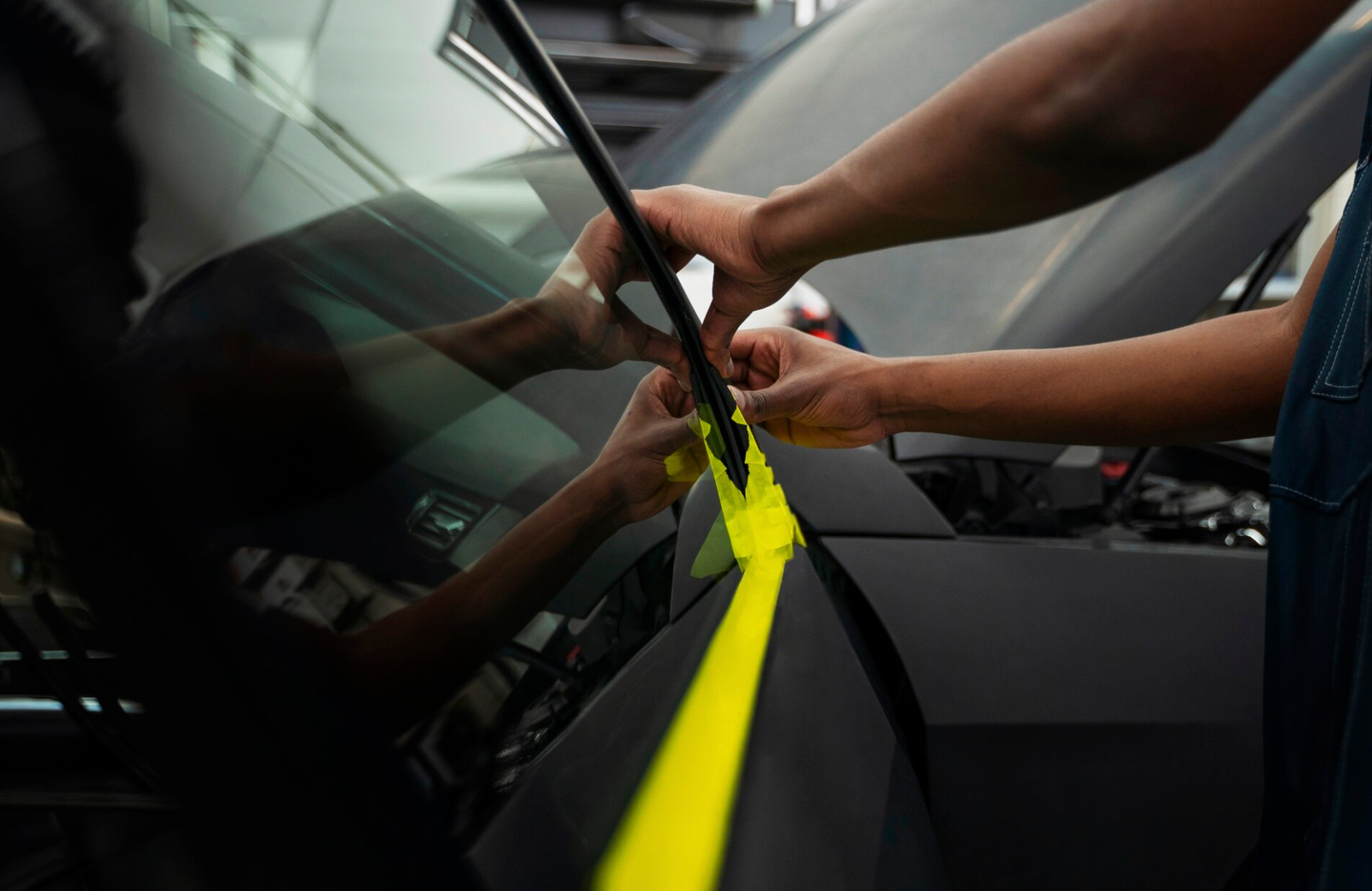
Comfort and privacy that become part of the vehicle
Good tint shouldn't look like something that was added afterwards. Done properly, it becomes part of the vehicle — sharpening the exterior, adding privacy and making bright conditions inside the cabin easier to live with.
We install automotive window film at our Manukau workshop and select the option around the vehicle rather than simply asking how dark you want it.
The existing glass, window position, vehicle use, desired appearance and applicable New Zealand requirements all matter before the film is chosen.
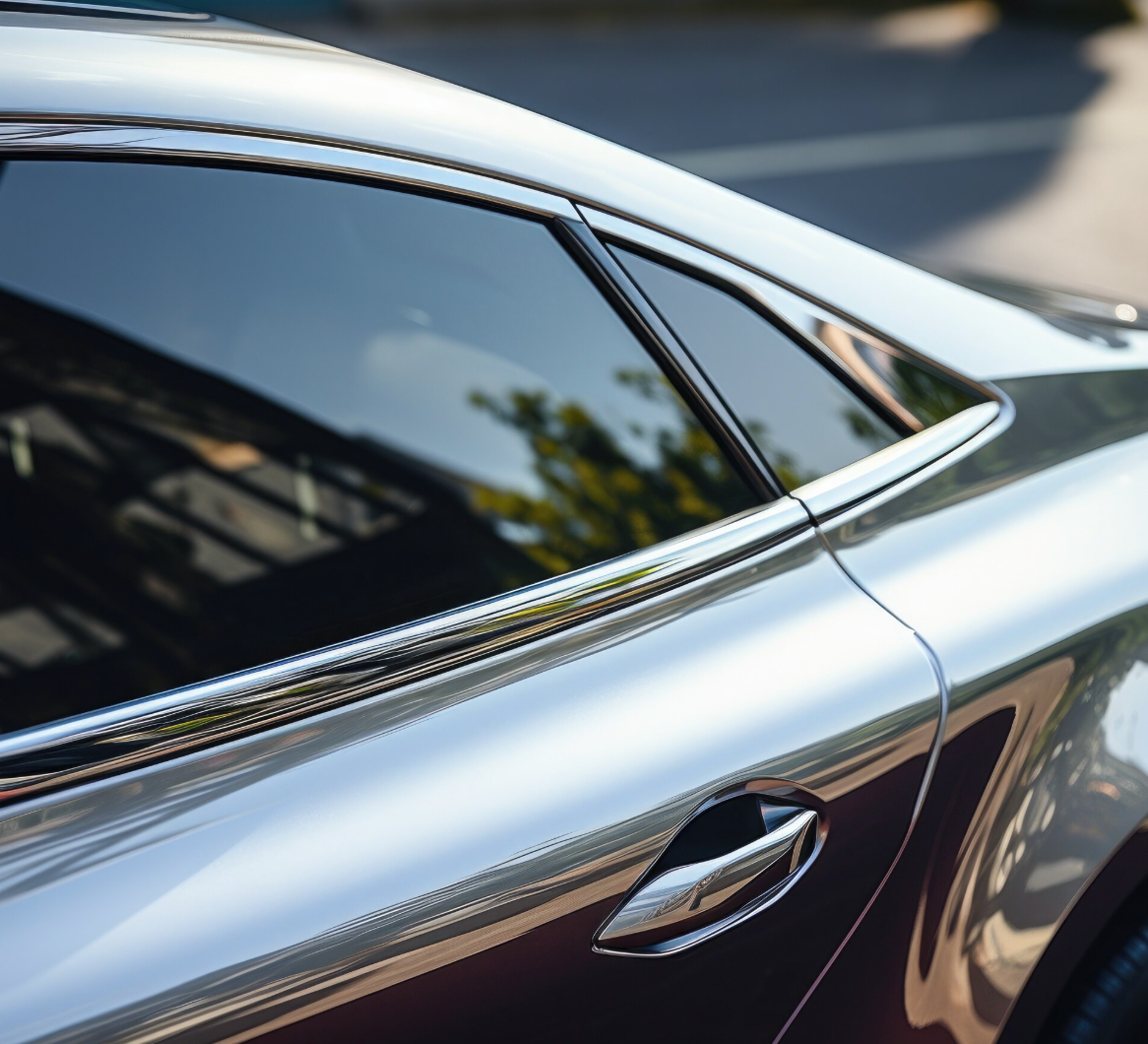
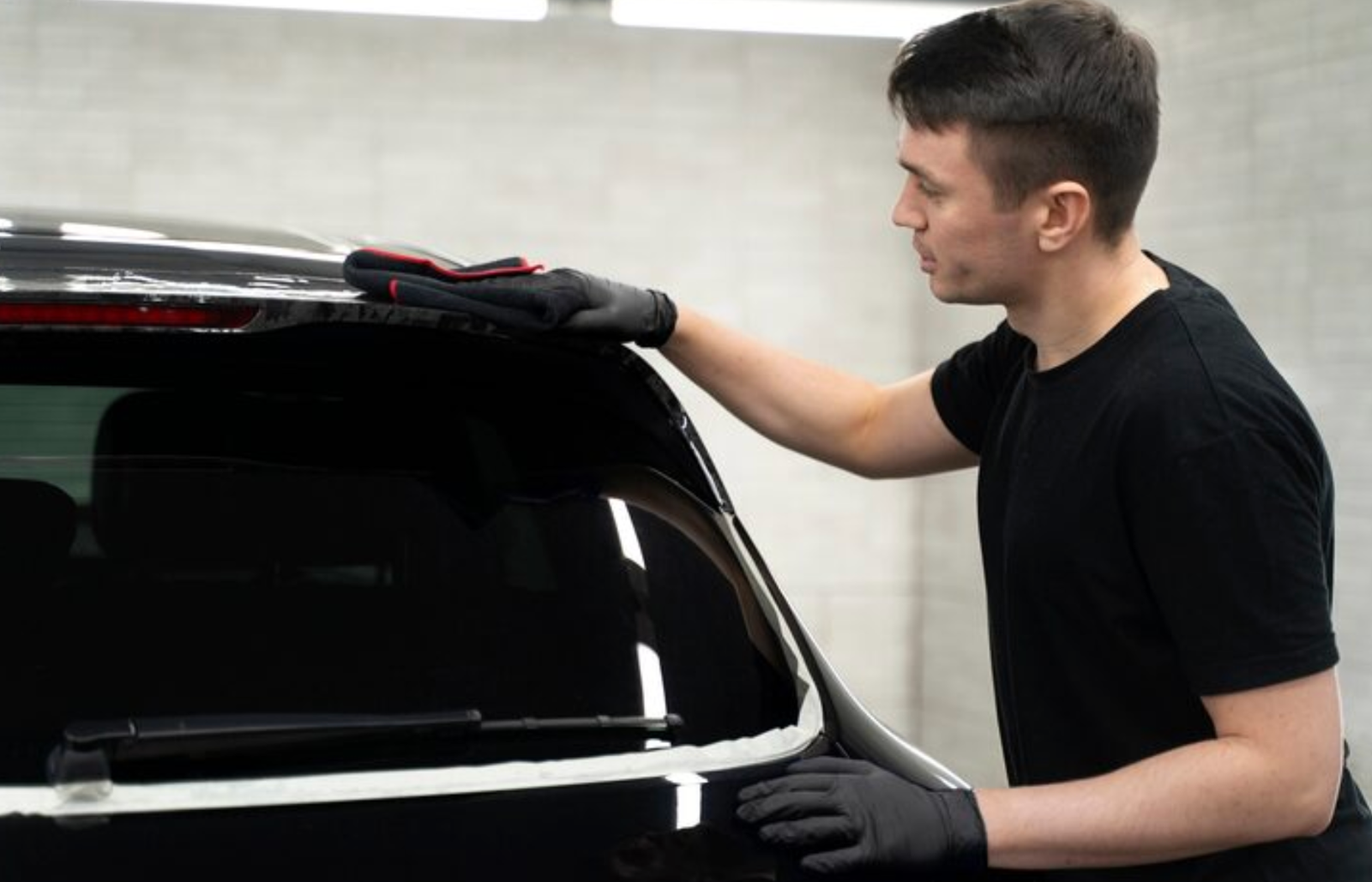
Tint is about more than choosing a darker shade
Two films can look similar from outside and still differ in construction, performance and suitability. The complete glass-and-film combination matters.
Existing glass
Factory-coloured or privacy glass can already affect the final appearance and visible light transmission.
Window position
The rules and practical requirements for front, rear and other glazing are not necessarily the same.
Visible light transmission
The finished VLT is affected by both the existing glass and the film applied to it.
Privacy & appearance
The film should suit how much privacy you want without choosing solely by how dark a sample appears.
Glare & solar exposure
Vehicle use and exposure to bright conditions can influence which film makes the most practical sense.
Film specification
Product construction, stated performance, aftercare and warranty should be considered alongside appearance.
The legal result is the finished glass, not just the film
VLT means visible light transmission. When film is applied, the relevant figure is the overall light transmission through the completed glass-and-film combination — not simply the percentage printed on a film sample.
Window tint requirements depend on where the glass sits on the vehicle, the vehicle type and the glazing already fitted. That's why we don't recommend darkness from appearance alone.
We consider the existing glass
Factory tint or coloured glazing contributes to the finished visible light transmission.
Window location matters
Requirements can differ between the windscreen, front side glass and glazing behind the driver.
Vehicle class can matter
Rear glazing requirements can differ depending on vehicle classification and other vehicle equipment.
We recommend the option around the vehicle
The aim is a film choice that suits the glass, appearance and applicable requirements rather than simply selecting the darkest sample.
The finish depends on what happens before the film settles
Tint is thin enough that preparation and application show in the finished work. Clean glass, controlled installation and attention around edges all contribute to how the film looks once it has settled.
Inspect the glass
We check for existing film, scratches, contamination and other issues that may affect installation.
Prepare the surface
The glazing is carefully cleaned so dirt or residue isn't unnecessarily trapped beneath the new film.
Fit and finish
Film is installed and finished around the relevant edges and glass shape.
Final check
The installation is checked and we explain what to expect while the film settles.
Old film can change the job before new film even goes on
Bubbling, peeling, discoloured or unknown existing film usually needs to be assessed before new tint is installed. Simply covering poor film with another layer isn't the approach we recommend.
Removal can involve more than lifting the film itself. Adhesive residue and the condition of the glass beneath it can affect the time required.
Rear windows with demister lines require particular care. We inspect existing film and include removal separately where needed rather than assuming every old tint comes off in the same way.
The useful part isn't only how the car looks from outside
Less of the cabin on display
Appropriate tint can increase privacy through selected glazing while giving the vehicle a more finished appearance.
Bright conditions become easier to live with
Film selection can support improved glare and solar performance, depending on the specifications of the product chosen.
A cleaner, more consistent exterior
Well-selected tint can complement the vehicle rather than making the windows look disconnected from the rest of the design.
New tint needs time to settle
Freshly installed window film does not necessarily look exactly as it will once fully settled. Residual installation moisture or temporary light haziness can sometimes be visible while the film dries.
The appropriate settling period depends on the product, conditions and installation. We explain the relevant aftercare instructions at handover, including when it is appropriate to operate the windows normally.
Don't judge fresh film by the first few hours. Follow the aftercare instructions and allow the installed product its recommended settling time.
Tint can be part of the vehicle's overall finish
The same service can solve different problems depending on whether the vehicle belongs to one owner or an entire business fleet.
Match privacy and appearance to the car
Window tint can be planned alongside wrapping, paint protection film, coatings and other styling work so the overall vehicle feels consistent.
Keep multiple vehicles looking consistent
Company cars, vans and fleet vehicles can use a consistent tint specification to support a cleaner, more uniform presentation across the business.
Before you book window tinting
Useful answers about legal tint levels, existing film, settling time and film performance.
The requirement depends on the window position, vehicle class and existing glazing. The relevant visible light transmission applies to the complete glass-and-film combination, not simply the film by itself. We recommend an appropriate option for the specific vehicle and current New Zealand requirements.
We prefer to inspect existing film first. Failing, damaged or unsuitable tint may need to be removed rather than covering an unknown layer with new film. Existing tint can also affect the finished appearance and visible light transmission.
The required settling period depends on the film installed and the conditions after installation. We provide the appropriate instructions at handover, including when the windows can be operated normally.
Film performance varies between products. We don't describe tint as eliminating all heat or environmental exposure. We explain the relevant specifications of the available film so you can compare actual product performance rather than relying on a general tint claim.
Not necessarily. Darkness is only one characteristic. Two films with a similar appearance can use different constructions and have different performance properties. The film should be compared by its actual specification as well as its appearance.
Existing tint can be assessed for removal before replacement. The work required depends on the condition of the film, adhesive residue and the glass underneath. Rear demister lines and previous damage also need to be considered during removal.
Choose the film around the glass — not just a shade sample.
Send us the make, model and year of the vehicle and tell us which windows you want tinted. We'll confirm the scope, consider the existing glass and recommend a suitable film option before you book.